 EN
EN

OEM Multi-Procedure Fajas: Comprehensive Coverage for Stage 2 Tummy Tuck and BBL Recovery
If you source post-operative compression garments for a brand or clinic, you have probably noticed that requests from your customer base are rarely single-procedure anymore. Patients asking for a stage 2 faja tummy tuck and BBL garment — both procedures performed in the same surgical session — put a very specific design demand on anything you put your label on. Getting the product specification right for a stage 2 faja tummy tuck and BBL is what separates garments that earn repeat orders from ones that generate returns and refund requests.
This article covers the manufacturing and sourcing logic behind a stage 2 faja tummy tuck and BBL product line. It looks at what the dual-recovery requirement means for garment construction, why a factory's quality system matters when committing to batch production of a stage 2 faja tummy tuck and BBL, and what to look for when evaluating whether an OEM partner truly understands the clinical context or is simply producing generic shapewear.
What Makes a Stage 2 Faja Tummy Tuck and BBL Garment Different
Recovery staging matters clinically. Stage 2 typically begins around three to six weeks after surgery, once the most acute swelling has receded and incision sites have stabilized. A stage 2 faja tummy tuck and BBL garment worn during this phase applies firmer, more sustained compression than the stage 1 option — which prioritizes wound protection over body contouring. That difference in compression intensity is precisely why the design brief for a stage 2 faja tummy tuck and BBL garment is more complex than a single-procedure recovery garment.
A common misconception when sourcing is that higher compression automatically produces better recovery outcomes. For a stage 2 faja tummy tuck and BBL garment, that assumption is clinically incorrect. Applying high-compression stage 2 garments too early, or sourcing ones with construction flaws, can restrict circulation, raise seroma risk, and — in BBL cases — directly compromise grafted fat cell survival rates. Every stage 2 faja tummy tuck and BBL garment you source carries that clinical responsibility whether your brand explicitly states it or not.
For combined procedure recovery, the stage 2 faja tummy tuck and BBL garment must solve two structurally competing requirements simultaneously:
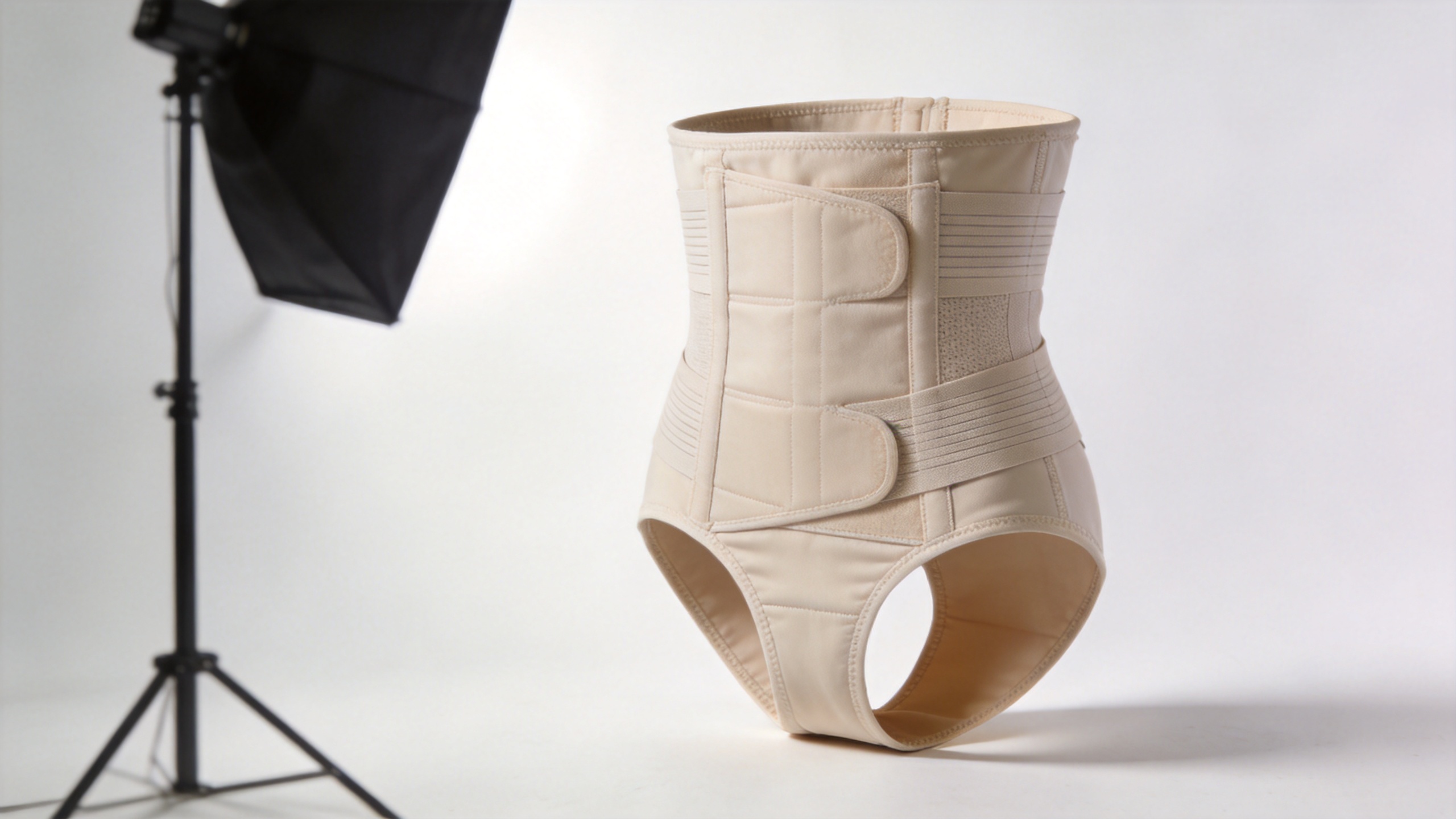
- Abdominal compression with boning or structural paneling — to reduce fluid accumulation, support muscle repair after abdominoplasty, and assist with waist and lower-abdomen contouring for tummy tuck recovery.
- Open-butt or anatomic cutout construction — to relieve pressure from the BBL grafting zone so circulation to healing tissue is not impeded during the critical recovery window.
A stage 2 faja tummy tuck and BBL garment that delivers strong abdominal compression but has a poorly engineered open-butt panel may still exert lateral pressure on the grafting zone through fabric tension. That is a patterning problem — and it is exactly what you need to test at sample stage before signing off on bulk production of any stage 2 faja tummy tuck and BBL SKU.
OEM Design Considerations for a Stage 2 Faja Tummy Tuck and BBL Line
When engaging an OEM factory for a stage 2 faja tummy tuck and BBL product line, the specification conversation typically starts with compression level. Measured in mmHg or expressed as a fabric stretch ratio, the compression grade for a stage 2 faja tummy tuck and BBL garment sits higher than stage 1 but must be graduated — firmer at the lower limbs, progressively modulated as the garment reaches the midsection and BBL recovery zone.
This is where many brand buyers encounter a sourcing problem that only becomes visible in bulk. The compression grade confirmed at sample approval does not reliably hold across a full production batch. If the factory supplying your stage 2 faja tummy tuck and BBL line lacks documented incoming fabric inspection and compression testing protocols, fabric weight and elastomer ratios can shift between rolls. The result: customer-facing performance drifts from batch to batch in ways that only surface after product is already in use.
For a stage 2 faja tummy tuck and BBL product line, batch consistency matters more than it does for general shapewear because these garments are used in clinical recovery. A brand that positions its stage 2 faja tummy tuck and BBL products for post-surgical use, then delivers inconsistent compression, faces reputational and regulatory risk in markets like the US, Canada, and the UK where medical claims are scrutinized.
Factories operating under ISO 13485 maintain a documented quality management system that includes incoming material inspection, in-process checkpoints, and finished-product testing specifically designed for medical device and medical-adjacent garment production. This is the right framework for producing a stage 2 faja tummy tuck and BBL at repeatable quality — and it is different from a factory that self-declares compliance without third-party surveillance audits.
At fajapostop.com, Guangzhou Shixing Industrial's ISO 13485 certification governs how every stage 2 faja tummy tuck and BBL production run is processed, tested, and released for shipment.
Why Comprehensive Coverage in a Stage 2 Faja Tummy Tuck and BBL Line Matters
Brand buyers managing post-surgical product lines tend to follow a recognizable pattern. Early on, sourcing focuses on one hero SKU — often a stage 2 faja tummy tuck and BBL garment driving most of the volume. As the brand scales and the customer base diversifies across procedure types, pressure to cover more recovery scenarios from the same OEM partner starts to build.
Running a full stage 2 faja tummy tuck and BBL product line — alongside lipo 360, mommy makeover, and other combined-procedure variants — from a single OEM factory creates compounding advantages beyond unit economics. Fabric and compression grade consistency across SKUs is easier to maintain when all stage 2 faja tummy tuck and BBL variants are produced in the same facility under the same quality system. Labeling, care instructions, and compliance documentation can be standardized across the line. And when a customer complaint comes in about a specific stage 2 faja tummy tuck and BBL garment, the factory has a unified production record trail to investigate against.
Not every factory offering a broad product catalog engineers each stage 2 faja tummy tuck and BBL SKU for its actual post-operative context. The test is in patternmaking and the clinical rationale the factory can articulate. If a supplier cannot explain why the open-butt panel on their stage 2 faja tummy tuck and BBL garment is positioned and tensioned the way it is — rather than just showing you the cutout exists — that is a meaningful red flag before expanding the product line.
Specification Checklist: Validating a Stage 2 Faja Tummy Tuck and BBL Sample
Experienced OEM buyers in the post-surgical garment segment build their own approval checklist over time. Based on the functional requirements for a stage 2 faja tummy tuck and BBL, here are the points worth verifying before any bulk commitment:
- Open-butt panel geometry — Does the cutout in the stage 2 faja tummy tuck and BBL garment adequately relieve pressure from the BBL grafting zone when worn? Is the edge finishing non-irritating against healing skin?
- Abdominal boning or structural paneling — Are the reinforcement panels positioned to support the lower abdomen without creating pressure ridges at tummy tuck incision zones?
- Closure system adjustability — Hook-and-eye or zipper closures on a stage 2 faja tummy tuck and BBL garment should allow compression adjustment as post-surgical swelling subsides. Verify the closure holds without slipping under active use.
- Compression grade verification — Request the factory's fabric compression testing data for the stage 2 faja tummy tuck and BBL, not just the nominal specification. Tested values should match the spec sheet.
- Fabric biocompatibility — Fabric contacting healing skin should carry skin-sensitivity testing documentation. Request the documentation, not a verbal assurance.
- Post-operative size grading — Confirm that size grading for the stage 2 faja tummy tuck and BBL was developed for post-operative body proportions, not adapted from a generic shapewear block.
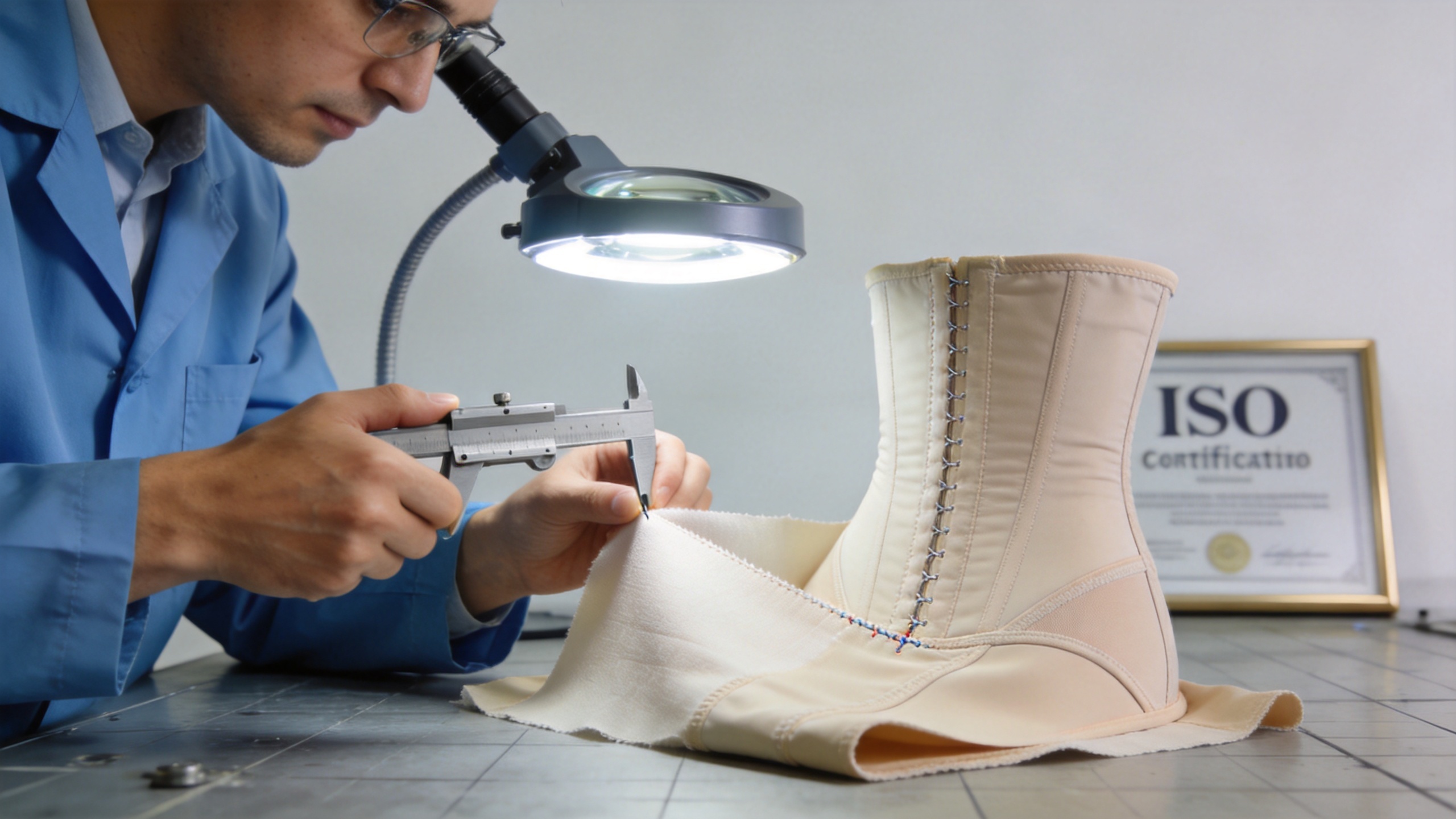
The sample review stage is when these questions are least costly to address for any stage 2 faja tummy tuck and BBL garment — not after the first bulk run ships and the customer returns begin. Any stage 2 faja tummy tuck and BBL approval process that skips these checks is deferring risk to after the fact.
Sourcing a Stage 2 Faja Tummy Tuck and BBL Line with OEM Confidence
Finding an OEM factory that can genuinely support a comprehensive stage 2 faja tummy tuck and BBL product line requires more than reviewing a catalog. You need enough factory transparency to assess whether the engineering behind each stage 2 faja tummy tuck and BBL SKU reflects actual post-operative recovery requirements, whether the quality system maintains specification consistency at production scale, and whether the team can support compliance documentation needs in your target markets.
Shixing Industrial, operating under the fajapostop.com brand, works with brand owners, clinic distributors, and wholesale buyers across North America, the Middle East, and Southeast Asia building or expanding stage 2 faja tummy tuck and BBL compression garment lines. With 17 years of OEM production experience, ISO 13485 certification, and a monthly output capacity of 50,000 units, the factory supports both initial development and ongoing stage 2 faja tummy tuck and BBL production at scale.
When you evaluate OEM partners for a stage 2 faja tummy tuck and BBL line, start with your clinical and specification requirements — not the price sheet. The design criteria outlined here are a practical starting framework for that stage 2 faja tummy tuck and BBL sourcing conversation.