 EN
News
How to Prepare a Custom Shapewear Order: 6 Things Buyers Should Confirm Before Sampling
Planning a custom shapewear order? Before moving into sampling, buyers should clarify their product requirements, materials, sizing, branding, and order details. Preparing this information early can make communication with your manufacturer more efficient and help reduce unnecessary revisions.
Here are six key points to confirm before starting your custom shapewear project.
1. Define Your Product and Target Market
Start by identifying the type of shapewear you want to develop. This could include one-piece fajas, waist cinchers, BBL garments, men's shapewear, or other compression garments.
Consider your target customers, market preferences, and intended product positioning. If you have reference photos or existing samples, share them with your manufacturer to communicate your design expectations more clearly.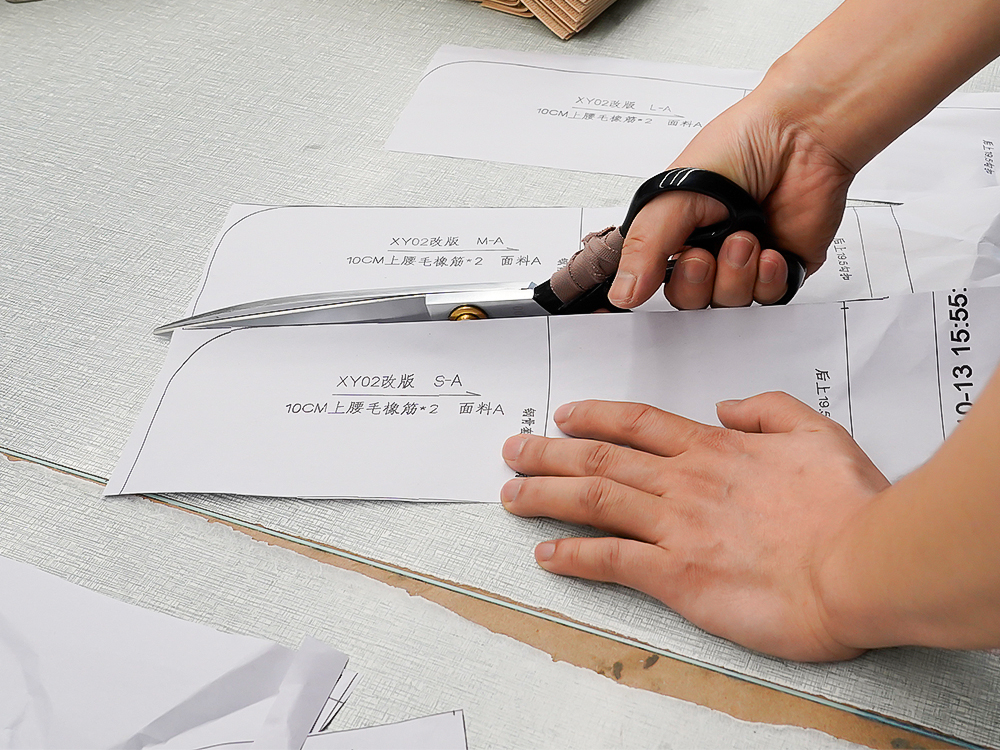
2. Confirm Fabric and Compression Specifications
Fabric selection influences the garment's texture, stretch, structure, and overall feel.
Before sampling, discuss:
- Fabric composition and weight (GSM)
- Stretch and recovery requirements
- Breathability and fabric texture
- Compression design and coverage areas
If you require specific technical performance values, ask whether supporting test reports are available. Avoid specifying unverified measurements in your product requirements.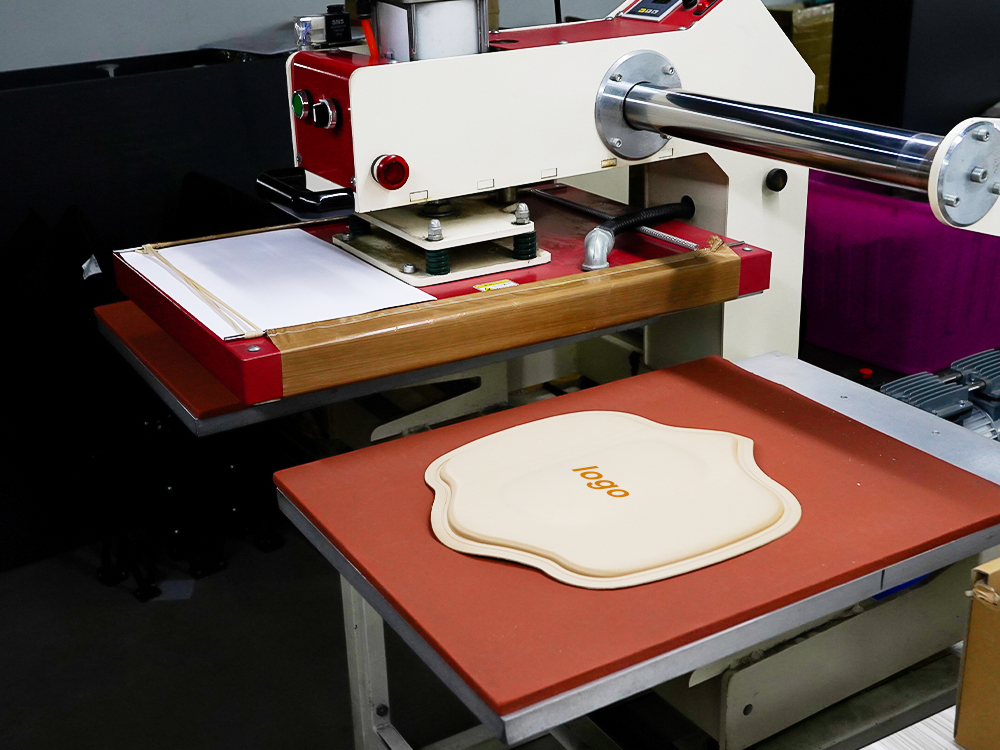
3. Prepare Size and Construction Details
A clear size chart and construction specification help the manufacturer understand your expectations.
Confirm the following details:
- Size range and measurement chart
- Garment length and coverage
- Zipper, hook-and-eye, and strap design
- Panel structure and stitching details
- Boning quantity and placement, if applicable
If you are developing a new design, provide reference measurements or a sample garment whenever possible.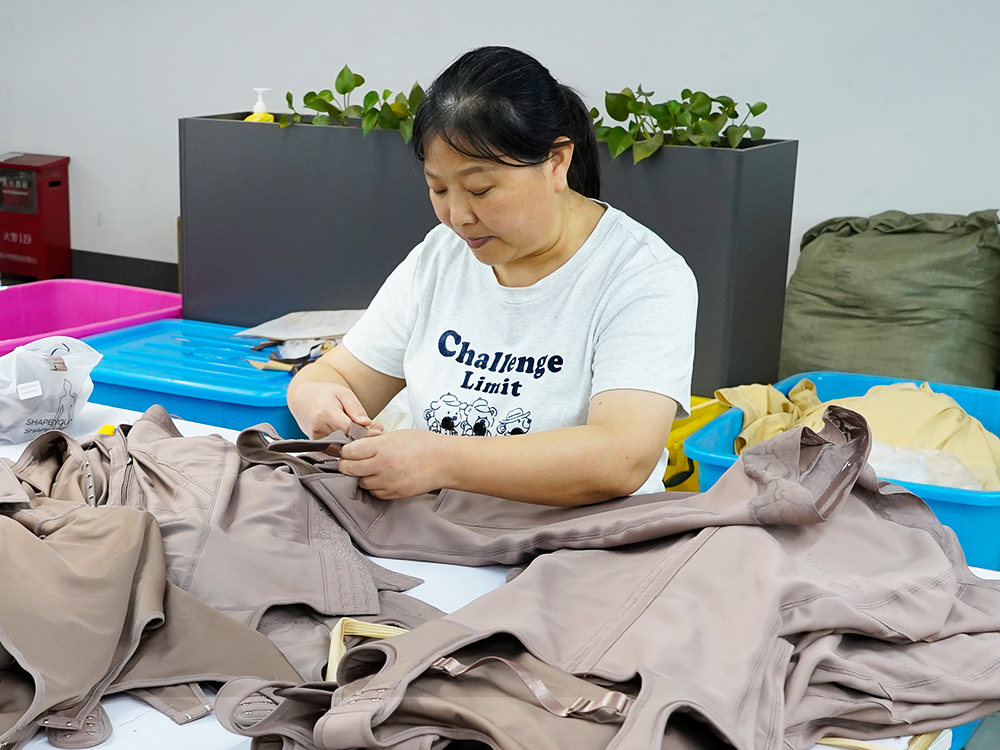
4. Plan Your Logo, Labels, and Packaging
Private-label details should be discussed before sampling, not after production begins.
Consider your preferred logo application, such as embroidery, printing, or heat transfer. You should also prepare requirements for care labels, size labels, brand tags, hang tags, and packaging bags.
Providing logo files and packaging references early helps your manufacturer check the design and placement during the sampling stage.
5. Check MOQ, Sample Costs, and Lead Times
Before confirming a project, discuss the commercial details with your manufacturer.
Important points include:
- Minimum order quantity (MOQ)
- Sample development cost
- Sample lead time
- Bulk production lead time
- Payment and shipping arrangements
These details may vary depending on the garment design, materials, customization requirements, and order quantity. Confirm the applicable terms for your specific project before proceeding.
6. Review and Approve the Sample
Once the sample is ready, review it against your original specifications.
Check the measurements, fabric, garment construction, logo placement, labels, and packaging details. If adjustments are needed, provide clear feedback and reference photos.
After the revisions are completed, confirm the final sample and agreed specifications before moving forward with bulk production. This gives both sides a clear reference for the next stage.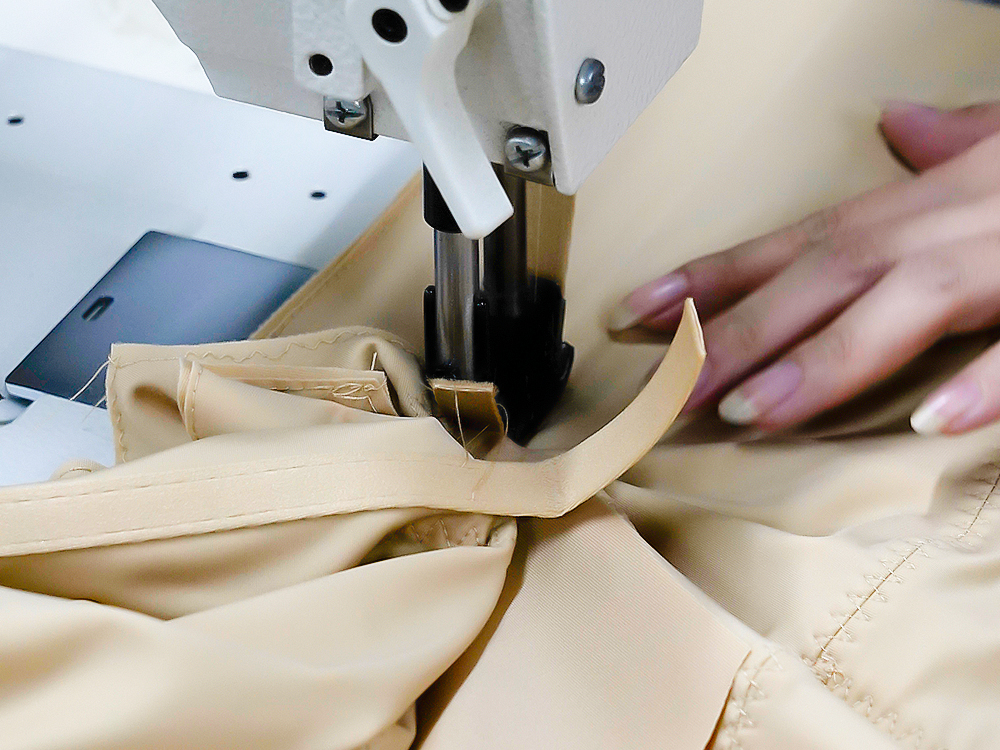
Prepare Your Next Custom Shapewear Project
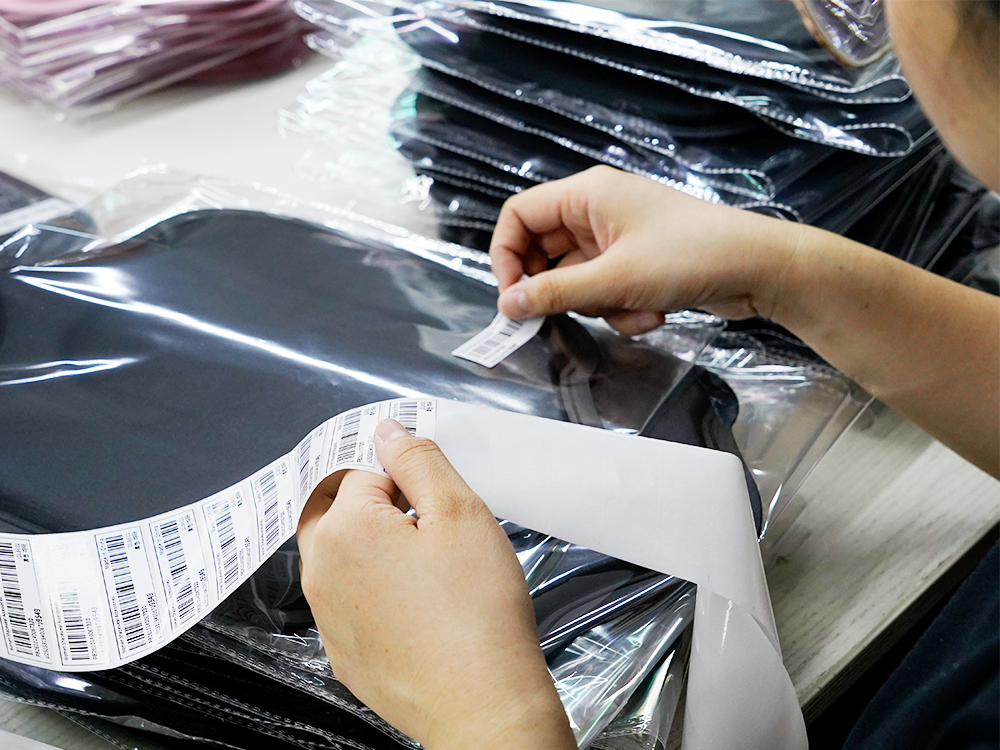
A well-prepared order starts with clear product requirements and effective communication.
At Shixing, we support B2B customers with shapewear OEM/ODM customization, including product design details, branding, labels, and packaging.
Whether you are developing a new collection or expanding an existing product line, prepare your reference images, specifications, logo files, and estimated order quantity to start the discussion.
Explore our website: https://www.fajapostop.com/