 EN
EN

Wholesale Shapers Fajas: Top 3 Market Performers
For wholesale distributors and e-commerce sellers evaluating which shapers fajas to stock, the sheer volume of options on the market makes it genuinely difficult to know where to concentrate your purchasing budget. Shapers fajas range from lightweight daily-wear bodysuits to clinically engineered post-surgical compression garments, and not every category delivers equal wholesale returns. In our experience working with buyers across the U.S., Mexico, and the Middle East, the question isn't which shapers fajas photograph well in a product listing—it's which shapers fajas category moves consistently, holds margin, and generates repeat orders from customers who actually need the product to perform.
Industry estimates suggest the global shapers fajas and shapewear market is tracking toward continued growth through the late 2020s, driven largely by rising cosmetic surgery volumes and the growing awareness among post-surgical patients that a quality compression garment isn't optional—it's a clinical requirement. For wholesale buyers, that demand signal translates directly into catalog decisions. The three shapers fajas categories below have consistently outperformed in B2B order patterns, and understanding why they perform should shape your sourcing priorities.
1. Post-Operative Stage 1 & Stage 2 Shapers Fajas
Among all shapers fajas categories, post-operative compression garments—specifically Stage 1 and Stage 2 designs—represent the most defensible wholesale position. Post-op shapers fajas serve a clinically prescribed function: plastic surgeons and clinic procurement teams are not discretionary buyers. When a patient schedules a tummy tuck, liposuction, or body contouring procedure, the prescribing physician typically recommends post-op shapers fajas as part of the recovery protocol. That clinical recommendation converts into a near-certain purchase, making post-operative shapers fajas one of the most reliably converting product categories in the wholesale compression garment market.
For wholesale distributors supplying medical clinics or aesthetics practices, this matters a great deal. You're not competing for a customer who might buy shapers fajas—you're fulfilling a clinically-motivated demand that repeats every time a procedure happens. That said, not all post-op shapers fajas are created equal, and buyers who've learned this the hard way will tell you that the lowest quoted price rarely reflects the lowest total cost. Shapers fajas that fail compression retention after the first wash, or that cause skin irritation over surgical sites due to inadequate seam construction, generate returns, clinical complaints, and ultimately, lost accounts.
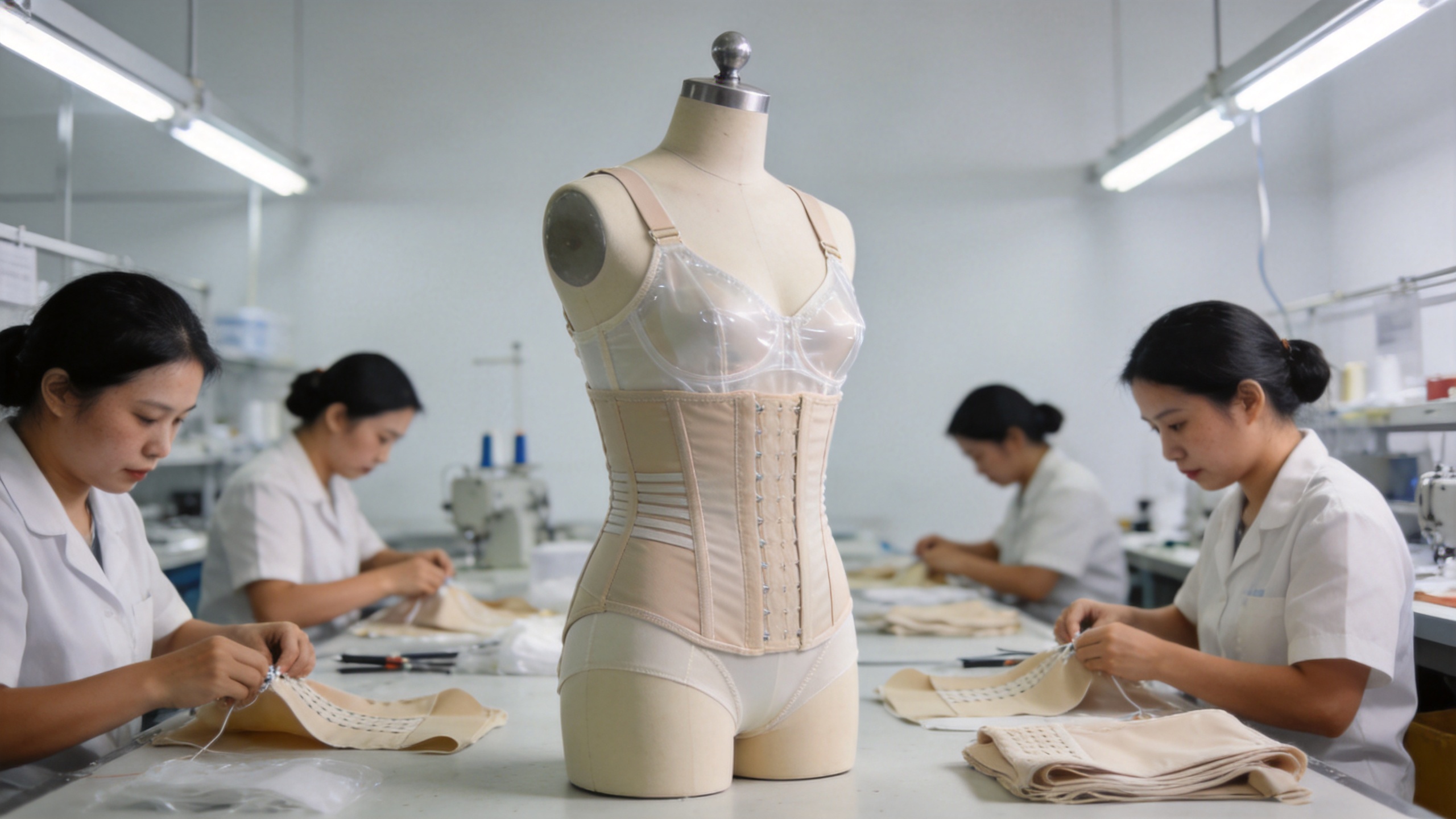
What wholesale buyers should look for when sourcing post-op shapers fajas:
- Medical-grade compression calibration: Stage 1 shapers fajas require firm, immediate post-surgical compression; Stage 2 shapers fajas transition to moderate compression during the healing phase. Sourcing both from the same certified manufacturer ensures consistent sizing and compression values across the patient's recovery journey.
- Seam and closure engineering: Flat-lock seaming prevents skin irritation against post-surgical tissue; hook-and-eye busk closures allow adjustability as swelling reduces. These construction details distinguish medical-grade shapers fajas from general-purpose shapewear.
- ISO 13485 certification: For buyers supplying hospital systems, surgical centers, or clinic chains, sourcing shapers fajas from an ISO 13485-certified manufacturer provides the documentation trail that procurement compliance officers typically require. ISO 13485 is the internationally recognized quality management standard for medical device manufacturing and signals systematic production control—not just a one-time quality claim.
For buyers targeting U.S. and Canadian clinic accounts specifically, sourcing shapers fajas from a certified OEM with documented quality processes puts your catalog in a different tier from importers who can't provide equivalent compliance documentation. The shapers fajas you supply to medical accounts need to hold up under clinical scrutiny, not just survive a retail return window.
2. BBL Compression Shapers Fajas and Recovery Garments
Brazilian Butt Lift (BBL) recovery shapers fajas have emerged as one of the highest-velocity subcategories in the wholesale market. The procedure's popularity—particularly in the U.S., Mexico, and increasingly in the Middle East—has created sustained demand for BBL-specific shapers fajas that general shapewear cannot adequately substitute.
Here's the thing that separates BBL shapers fajas from standard bodysuits: the anatomy of fat graft survival. Following a BBL procedure, patients are instructed to avoid direct pressure on the treated buttocks area for several weeks. A generic compression short applies uniform pressure—exactly what BBL recovery protocols prohibit. BBL shapers fajas are engineered with open-seat or cut-out designs, targeted lateral hip compression, and non-restrictive back panel construction specifically to protect graft viability. For wholesale buyers, stocking anatomically correct BBL shapers fajas versus generic alternatives creates a meaningful competitive advantage.
For wholesale buyers, this technical differentiation in BBL shapers fajas creates a genuine market gap. Retail consumers searching for BBL post-op garments are increasingly educated about the distinction, and e-commerce sellers who stock properly designed BBL shapers fajas consistently outperform those who offer generic compression alternatives. The product knowledge gap among competitors is an advantage for distributors who take the time to source shapers fajas correctly.
Three things to verify before placing a BBL shapers fajas wholesale order:
- Open-seat design validation: Confirm that the shapers fajas are constructed to prevent buttock compression, not simply marketed as BBL-compatible.
- Lateral compression zones: Proper BBL shapers fajas apply graduated compression to the flanks and abdomen without restricting fat graft areas.
- Sizing range coverage: BBL patient demographics in the U.S. and Latin American markets often require extended size options. For buyers serving these markets, sourcing shapers fajas from a manufacturer that supports extended sizing matrices—including plus-size grading—reduces sizing-related returns significantly.
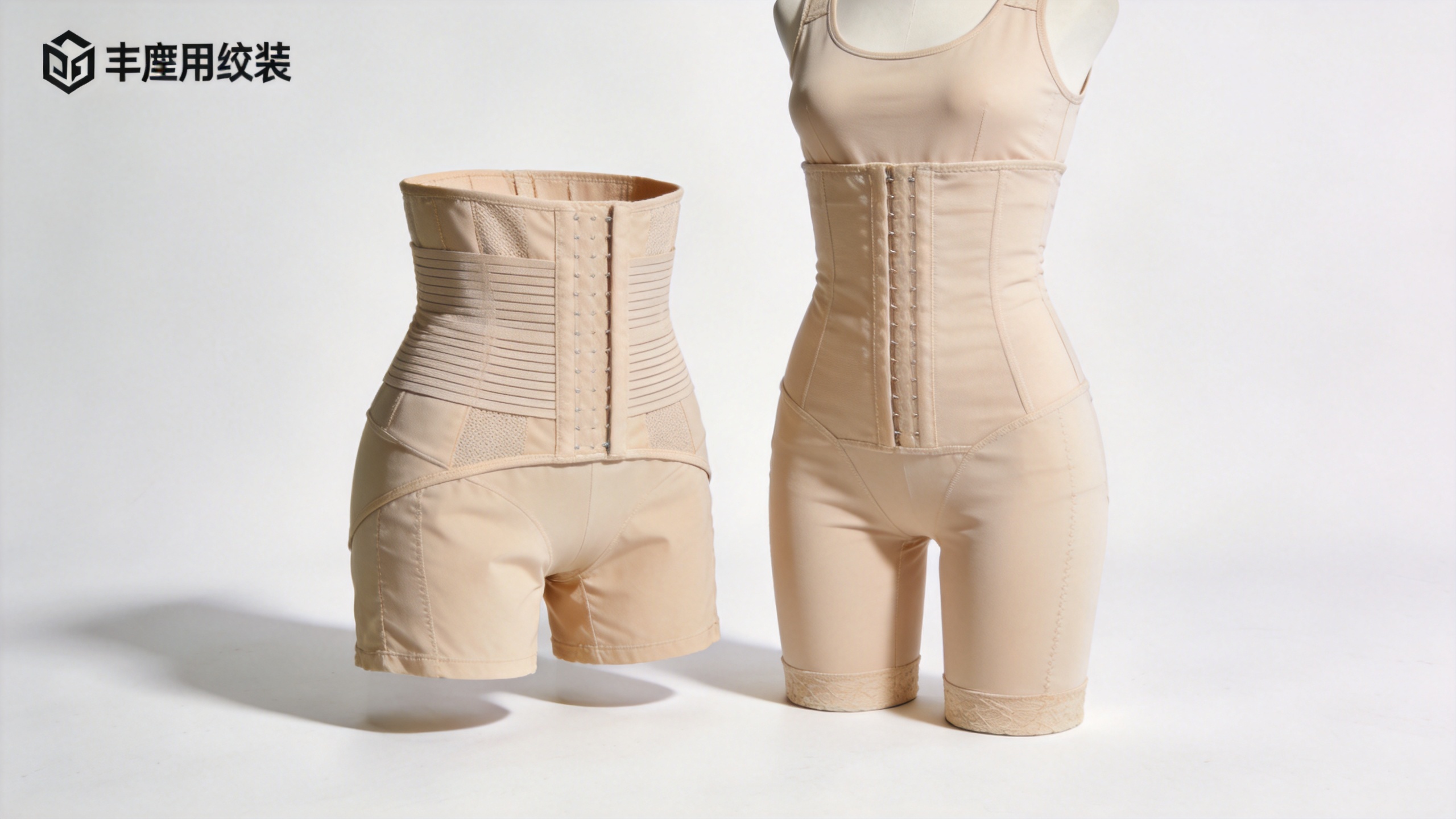
When it comes to BBL shapers fajas specifically, the buyers who've been burned tend to be those who sampled one SKU and assumed bulk production would maintain the same construction. It doesn't, unless you're working with a manufacturer whose quality management system documents and controls production variables from one run to the next. Shapers fajas quality consistency across batches is a sourcing requirement, not a preference.
3. Full-Body Lipo Recovery Shapers Fajas
The third high-performing shapers fajas category for wholesale buyers is full-body lipo recovery suits—compression garments designed for patients undergoing multi-area liposuction, body contouring procedures, or abdominal sculpting. Unlike single-zone post-op shapers fajas, full-body lipo recovery shapers fajas address the compression needs of the entire torso and upper thighs simultaneously, making them particularly relevant for patients who've had 360 lipo, mommy makeover procedures, or combined arm and abdomen contouring.
From a wholesale perspective, full-body lipo recovery shapers fajas command higher per-unit price points than single-zone garments, and buyers with accounts at medical spas, plastic surgery practices, or post-op recovery centers find them to be strong margin contributors. The category also benefits from strong repeat purchase patterns: patients typically need two or three shapers fajas to cycle through washing during an eight-to-twelve-week recovery period.
What to evaluate when sourcing full-body lipo recovery shapers fajas wholesale:
- Smooth-panel construction: Post-liposuction skin is highly sensitive to seam impressions during healing. Quality lipo recovery shapers fajas feature smooth interior panels that prevent contour irregularities caused by seam pressure against treated tissue.
- Graduated compression engineering: Effective lipo shapers fajas apply higher compression at distal zones and reduce compression toward the torso center, supporting lymphatic drainage and reducing edema.
- Open seam zones for drain access: Patients with surgical drains require shapers fajas that accommodate drain placement without removing the compression garment entirely. This feature detail is absent in many general shapewear factory offerings—wholesale buyers often discover this gap only after orders have been placed.
- Monthly capacity and lead times: For buyers managing standing orders at medical practices, production reliability matters as much as shapers fajas product quality. Sourcing from a manufacturer with a verified monthly capacity—approximately 50,000 units in the case of established OEM facilities like Guangzhou Shixing Industrial—reduces the supply disruptions that can damage clinic relationships.
Sourcing Strategy: Choosing the Right Shapers Fajas OEM Partner
Across all three shapers fajas categories, the wholesale buyers who consistently build profitable assortments share a common pattern: they've moved away from multi-source price comparison toward single-source OEM partnerships with manufacturers who can supply the full post-operative shapers fajas spectrum. The operational logic is straightforward. Managing three separate factory relationships—one for Stage 1/Stage 2 shapers fajas, one for BBL shorts, one for full-body lipo suits—multiplies your logistics coordination, sampling cycles, and quality inconsistency risk. Working with a single ISO 13485-certified OEM that has documented cross-category shapers fajas capability cuts through most of that complexity at once.
This doesn't mean ignoring price when sourcing shapers fajas. For clients who source at significant volume, the factory-direct cost structure of a dedicated shapers fajas OEM manufacturer typically undercuts the per-unit pricing available through intermediary importers. The real cost question isn't what you pay per shapers fajas garment at the sample stage—it's what you pay per unit when you account for return rates, reorder lead times, and the cost of replacing an account you lost because a product failed clinically.
For wholesale buyers evaluating new shapers fajas OEM partnerships, the checklist is shorter than it might seem: ISO 13485 certification, documented Stage 1 and Stage 2 compression calibration, BBL-specific anatomical design validation, and a monthly production capacity that scales with your growth plans. The shapers fajas market is growing. The question is whether your sourcing infrastructure is positioned to grow with it.